

December 26, 2025
Agency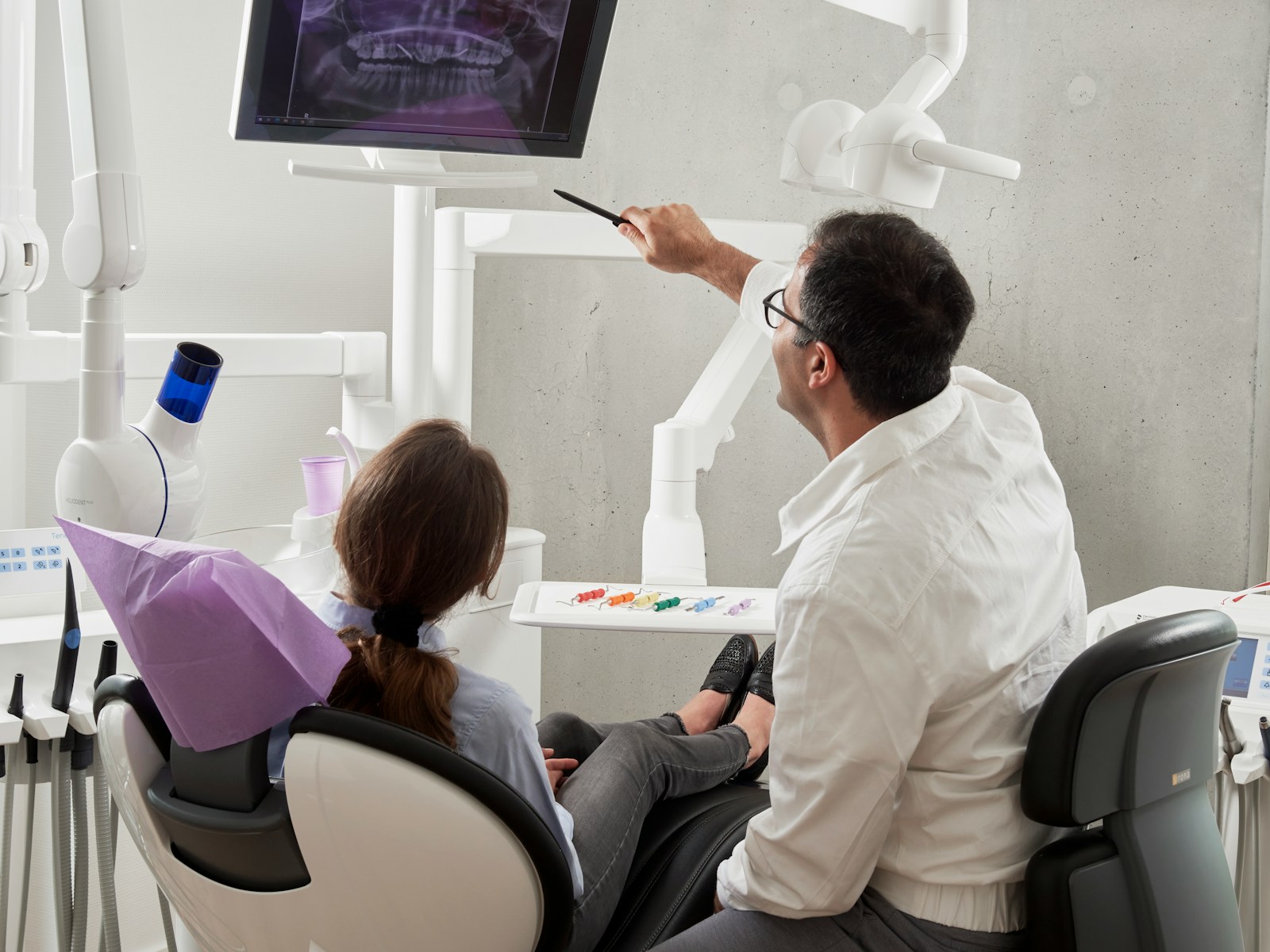
Does Medicare Cover Dental, Vision, and Hearing?
For many Texans approaching Medicare eligibility, or already enrolled, one of the most common questions is whether Medicare covers dental, vision, and hearing services. These areas of care are essential to overall health, yet the coverage rules can be confusing.
Medicare is divided into several parts, each designed to cover different aspects of health care:
- Part A (hospital insurance): Covers inpatient hospital stays, skilled nursing facility care, hospice care, and some home health services. Most people do not pay a premium for Part A if they or their spouse paid Medicare taxes while working.
- Part B (medical insurance): Helps cover doctor visits, outpatient care, preventive services, and certain medical supplies. Part B requires a monthly premium.
- Part C (Medicare Advantage): Offered by private insurance companies approved by Medicare, these plans combine Part A and Part B coverage and often include additional benefits such as dental, vision, and hearing. Coverage details vary by plan, and services are typically provided through the plan’s local network of providers.
- Part D (prescription drug coverage): Provides optional coverage for prescription medications. Plans are offered by private insurers and vary in cost and formulary (the list of covered drugs).
- Medicare supplement (Medigap): Optional add-on policies that help pay for costs not covered by Original Medicare, such as deductibles, coinsurance, and copayments. Medigap plans are sold by private insurance companies and work with Parts A and B.
Dental Coverage
Original Medicare (Parts A and B) does not cover routine dental care. This means services such as cleanings, fillings, dentures, and many oral surgeries are excluded. Medicare may cover dental work only if it is directly related to a covered medical procedure, such as jaw reconstruction after an accident.
For ongoing dental needs, many Texans look to standalone dental insurance or Medicare Advantage plans that include dental benefits.
Vision Coverage
Routine eye exams, eyeglasses, and contact lenses are also not covered under Original Medicare. Coverage is limited to medically necessary care, including treatment for conditions such as cataracts or glaucoma. After cataract surgery, Medicare may cover one pair of corrective lenses.
To maintain regular vision care, beneficiaries often add vision insurance or opt for a Medicare Advantage plan that includes vision benefits.
Hearing Coverage
Hearing exams, hearing aids, and fittings are not covered by Original Medicare. This is a significant gap, considering the prevalence of hearing loss among older adults. Medicare may cover diagnostic hearing exams if ordered by a physician; however, the cost of hearing aids is typically the individual’s responsibility.
Medicare Advantage options can help bridge this gap by offering hearing benefits.
How to Get Dental, Vision, and Hearing Coverage
Many Texas residents choose to enhance their Medicare benefits with Medicare Advantage plans that include dental, vision, and hearing.
Here are a few things to know about your Medicare Advantage options:
- Convenience: One plan can bundle medical, prescription drug, dental, vision, and hearing coverage.
- Flexibility: Different plans offer varying levels of benefits, allowing you to choose what fits your needs.
- Local Networks: Plans typically include provider networks tailored to Texas communities, providing access to care close to home.
How Insurance Solutions USA Can Help
If you’re approaching Medicare eligibility or already enrolled, we can guide you through the process of securing dental, vision, and hearing benefits that Original Medicare doesn’t provide.
Contact Insurance Solutions USA today to learn more about your Medicare options and compare quotes.
This blog is intended for informational and educational use only. It is not exhaustive and should not be construed as legal advice. Please contact your insurance professional for further information.
Categories: Blog, Medicare Insurance